


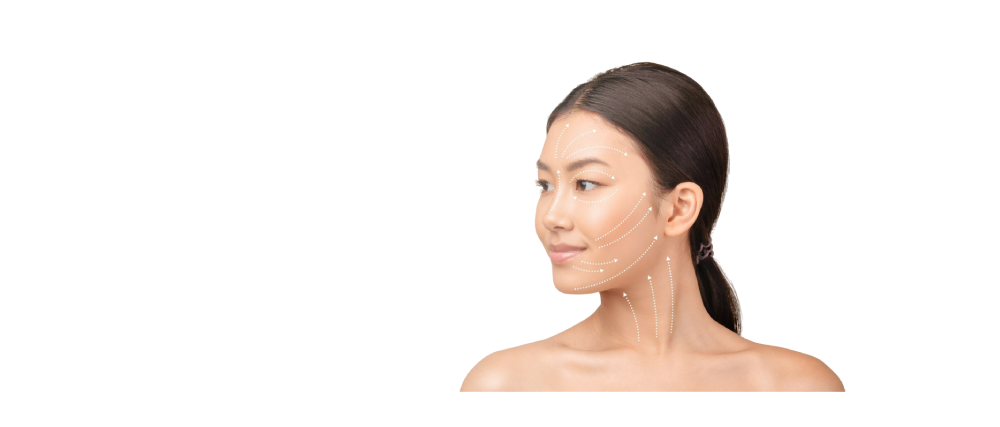
What Is Thread Lifting?
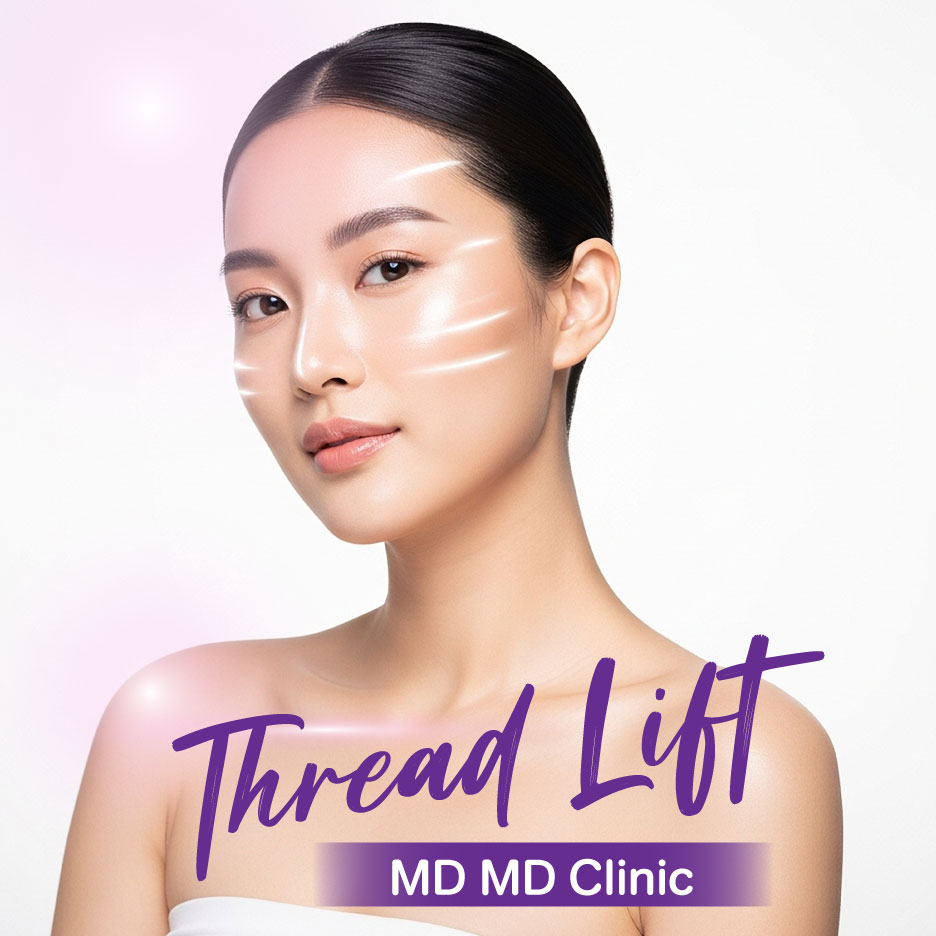
Thread lifting is a facial rejuvenation procedure that uses special medical threads inserted under the skin to lift and tighten sagging areas. It helps redefine facial contours, reduce wrinkles, and restore firmness in areas such as the cheeks, jawline, and face.
Thread lifting also stimulates collagen production beneath the skin, improving skin texture and elasticity over time. As a result, the skin appears firmer, smoother, and more youthful after the procedure, with long-lasting effects.
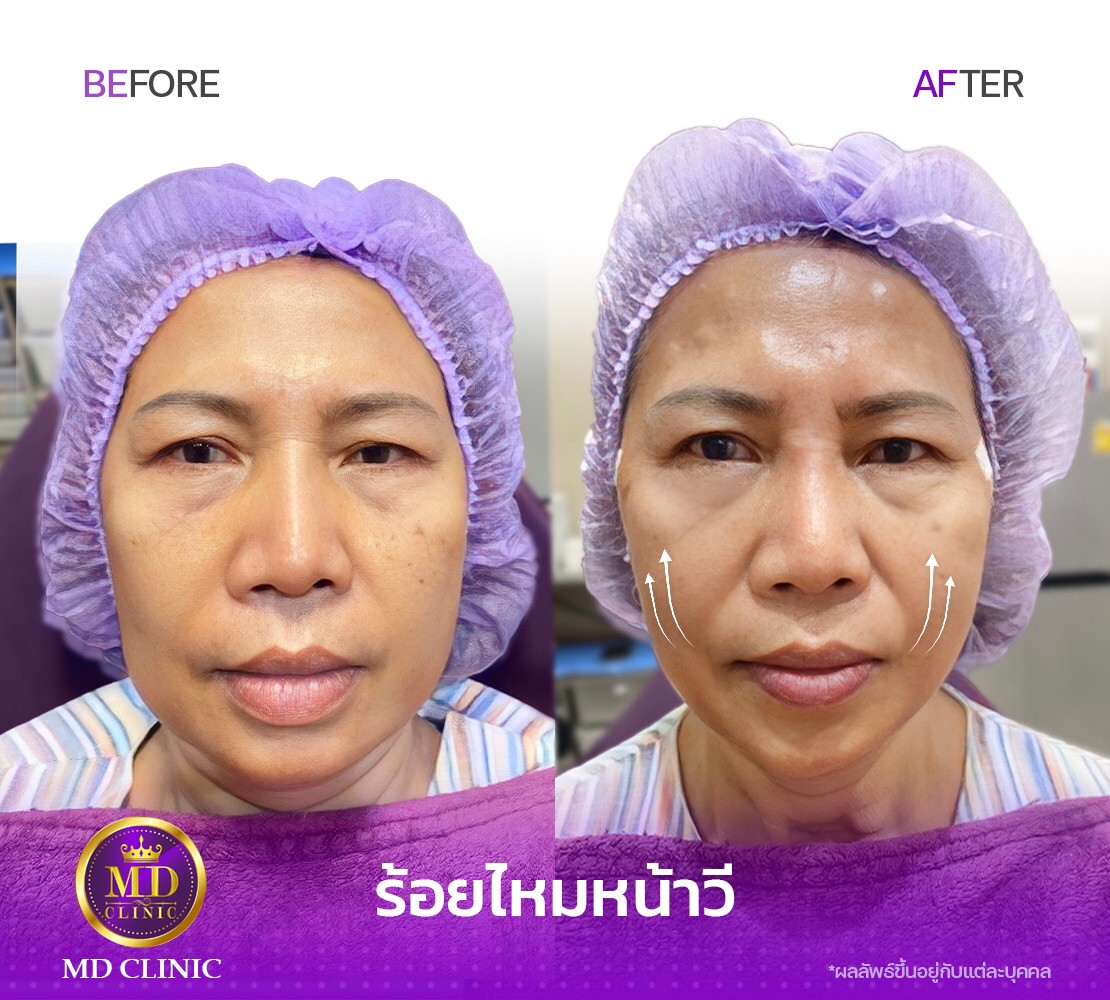
Who Is Thread Lifting Suitable For?
Thread lifting is suitable for individuals who want to lift and tighten sagging skin, reduce skin laxity, and achieve a more youthful appearance without surgery, incisions, or long recovery time.
The procedure helps improve facial contours while stimulating collagen production beneath the skin. It also enhances blood circulation in the treated areas, resulting in firmer, more defined skin.
Thread lifting is generally suitable for individuals aged 25 to 50, as it provides optimal results within this age range.
However, thread lifting may not be suitable for those with severe skin laxity or individuals with certain underlying medical conditions.
Is Thread Lifting Safe? What Are the Pros and Cons?
Benefits of Thread Lifting

Helps correct facial asymmetry after treatment
Allows you to return to daily activities after the procedure
A suitable option for those who want facial lifting without surgery
Can address specific facial concerns such as uneven cheeks, sagging cheeks, and mild skin laxity
Safe and effective when performed properly
Results can last 1–3 years (depending on the individual)
Drawbacks of Thread Lifting

Not suitable for individuals with severe skin laxity
Requires avoiding strenuous activities for at least 1 week after the procedure
In some cases, results may be subtle and may require additional treatment
Not suitable for individuals with a history of allergic reactions to thread materials
1. Mono Thread
Mono threads are smooth threads used primarily for skin rejuvenation. They are divided into two types: straight threads and spiral threads.
Straight Mono Threads help lift the skin and stimulate collagen production beneath the skin, improving firmness and elasticity. They can also reduce fine wrinkles and tighten enlarged pores.
Spiral Mono Threads work similarly to straight threads but have a coiled shape, making them more suitable for adding volume. They help lift sagging skin and improve overall skin quality.
2. Barb Thread (Cog Thread)
Barb threads have tiny barbs along the thread that anchor into the skin tissue. These barbs help lift and hold sagging skin in place.
They are commonly used to address moderate to severe skin laxity, helping lift sagging cheeks, redefine facial contours, and provide more noticeable lifting results.
3. Tornado Thread
Tornado threads consist of 3 intertwined threads, making them stronger than standard lifting threads. They provide more effective lifting and stronger collagen stimulation.
Due to their complexity, this type of thread should only be performed by experienced practitioners.
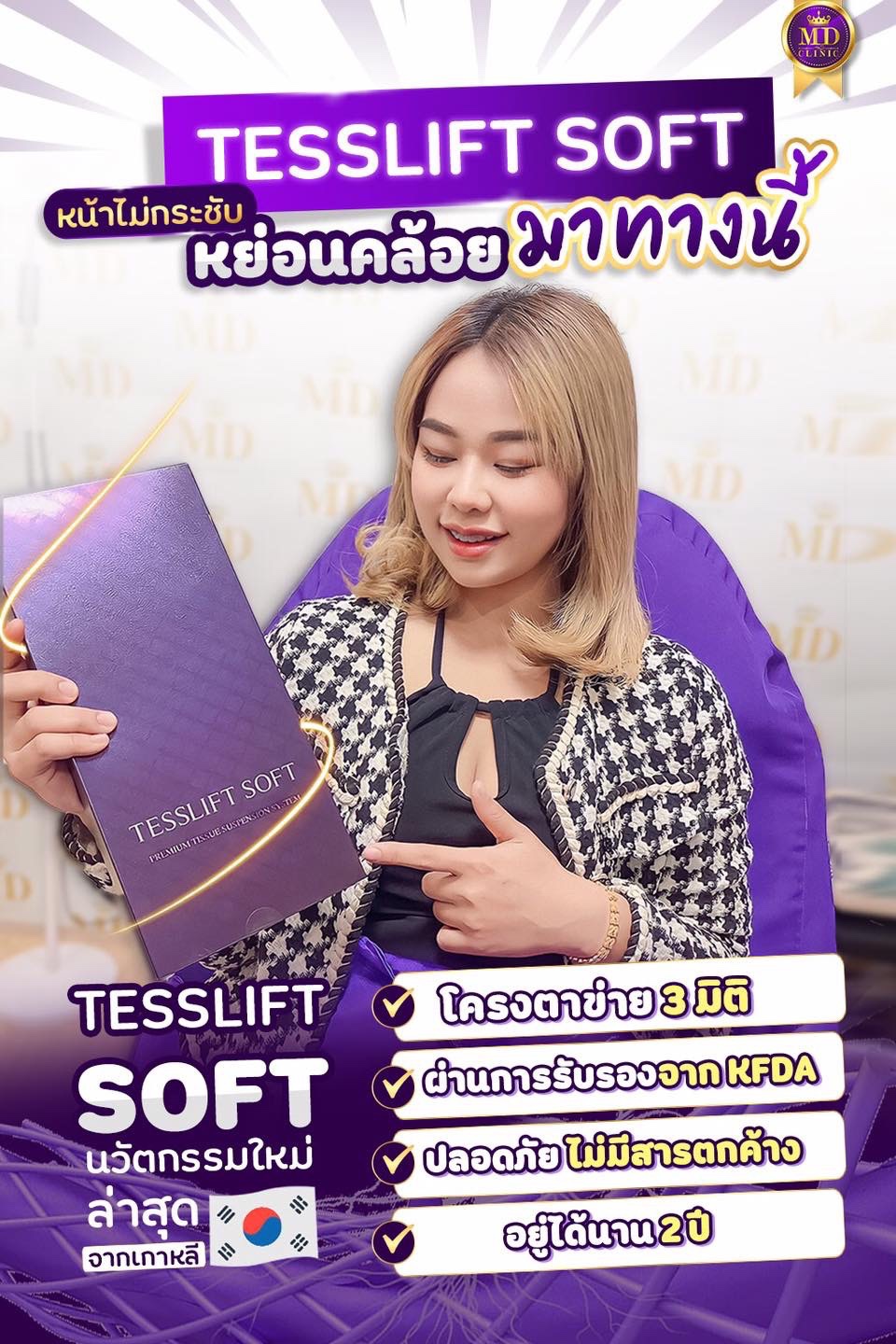
4. Tesslift Soft Thread
Tesslift Soft is a mesh-type thread designed to create a supportive structure beneath the skin. It features a 3D mesh design and is larger than standard threads.
This type of thread provides a 360-degree lifting effect, offering strong support, improved firmness, and long-lasting lifting results
Thread Lifting Procedure
Before undergoing thread lifting, the process includes the following steps:
- A specialist evaluates the face before the procedure.
- Local anesthesia is applied, and the treatment area is marked.
- The area is cleansed with antiseptic solution.
- Threads are inserted into the areas that require lifting.
- The threads are adjusted and positioned appropriately.
- The threads are trimmed and the insertion points are closed.
Can People with Underlying Medical Conditions Undergo Thread Lifting?
For individuals with underlying medical conditions, a medical consultation is required prior to treatment. Conditions that should be disclosed include a history of allergies, autoimmune diseases, diabetes, uncontrolled high blood pressure, heart disease, thyroid disorders, and other chronic conditions.
Possible Side Effects After Thread Lifting
Side effects following thread lifting may include:
- Swelling or bruising in the treated areas, which usually subsides within 7–14 days
- Minor bleeding at the insertion points
- Threads may feel tight or shift slightly if excessive facial movement occurs, such as wide mouth opening, laughing excessively, or yawning
- In some cases, small bumps or uneven skin texture may appear, along with slight discomfort or a pulling sensation in the treated area; these symptoms typically resolve within approximately 4 weeks
Thread Lifting vs Ultra Lock: Which Is Better?
Facial lifting and tightening have become increasingly popular among people seeking non-surgical rejuvenation—especially those who want visible results without downtime. Thread Lifting and Ultra Lock are two well-known techniques. However, each method differs in approach, results, and suitability depending on individual concerns.
read more
Why Are Men Increasingly Choosing Thread Lifts? Exploring the New Trend of Modern Handsomeness
In today’s era, being well-groomed is no longer just about looking good—it has become a key factor in personal and professional opportunities. Modern men are paying more attention to their appearance, facial structure, confidence, and overall image, both in their careers and social lives. This is why thread lifting has become a popular solution for men who want to look sharper and more youthful without surgery.
- Why men care more about their appearance than before
- New aesthetic technologies
- Boosting confidence and personality
- A natural look without long recovery time
- Summary
Is thread lifting painful?
What Is Thread Lifting and Why Are So Many People Afraid of Pain? Types of Anesthesia Used in Thread Lifting How to Reduce Pain and Side Effects Summary: Does Thread Lifting Hurt?
One of the most frequently asked questions among people who are interested in aesthetic treatments is, “Does thread lifting hurt?” This is because the idea of using needles and dissolvable threads on the face sounds quite painful.
In reality, thread lifting is not as painful as many people think. Nowadays, there are several methods to help reduce discomfort, such as:
Inhaled anesthetic (sedation gas)
Injected local anesthetic
Topical numbing cream
The doctor will choose the most appropriate type of anesthesia based on each individual case.
read more
Can thread lifting be combined with other procedures?
Can Thread Lifting Be Combined with Other Procedures?
The answer is yes. Thread lifting can be safely combined with other aesthetic treatments and is increasingly popular in modern facial rejuvenation. Thread lifting mainly helps lift and tighten sagging skin, but for certain concerns—such as deep wrinkles, volume loss, or facial contour imbalance—additional procedures may be recommended to achieve optimal results. Combining treatments allows for more comprehensive and natural-looking outcomes.